Will Robots and AI Kill Vets — or Make Them Gods? (Dark Thoughts Ahead)
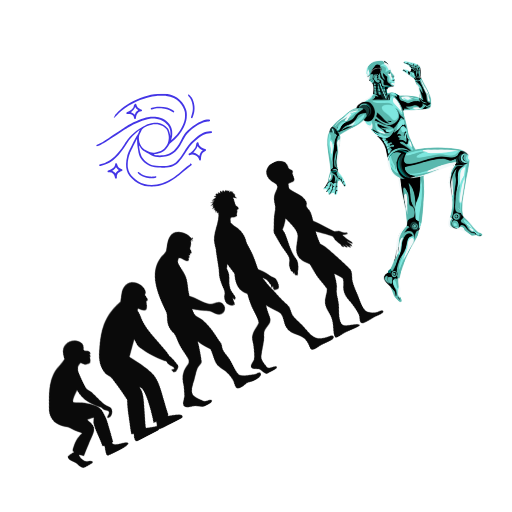
The Beginning of the End — or the Next Evolution?
It starts innocently. A robotic arm assisting with surgery. An AI system predicting outcomes. A clinic that runs smoother, faster, cheaper. Everyone applauds — until the machines start getting better than us.
Veterinary medicine, once the art of intuition and compassion, is becoming data-driven, algorithmic, and ruthlessly efficient. But at what point does the 'assistant' become the doctor? At what point does technology stop augmenting us — and start replacing us?
The Rise of the Mechanical Healer
Imagine a future clinic: robotic limbs with precision beyond human hands, AI diagnostic engines cross-referencing billions of cases in milliseconds, and emotion-recognition systems calming clients better than any front desk staff could. It sounds like science fiction — but it’s already here in fragments.
Surgical robots in human hospitals are now performing tasks autonomously. AI in veterinary labs can already identify parasites and tumors more accurately than technicians. Combine the two, and you get a self-sufficient, tireless, judgment-free healer. Efficient. Unemotional. Unstoppable.
War for the Affordable Robot: AI Is Cheap, the Body Is Costly
Here’s the hidden struggle: software is flooding the market, but hardware — embodied robotics — is still absurdly expensive and complex. Every system needs motors, servo drives, sensors, cooling, power, and durable materials. Humanoid robots today are the most expensive and least capable they will ever be.
Meanwhile, generative AI models can be deployed at scale for relatively little, leveraging cloud computing and data updates. The major bottleneck isn’t the intelligence — it’s the body. And that body has to walk, climb, examine pets, handle tools, and clean labs. For vets, that means one robot per clinic at scale, not one fragile prototype.
There’s a global race: China is working to mass-produce humanoids at lower cost through its manufacturing ecosystem, while Western labs build brilliant AI brains but can’t yet make them affordable enough to occupy every exam room.
For veterinary medicine, the implications are massive. To create a robo-vet on call, you need both the physical robot and the AI brain. Until hardware becomes cheap and reliable, vets won’t be replaced — just shadowed by costly machines in elite clinics. But when the price drops, the pressure to replace becomes unstoppable.
The Singularity: When the Tools Wake Up
The singularity — that moment when AI surpasses human intelligence — isn’t just a tech term. It’s the point of no return. Once AI can improve itself faster than we can understand it, control is no longer ours. It won’t just diagnose disease; it will decide what counts as disease.
In veterinary medicine, that could mean algorithms redefining 'quality of life,' predicting lifespans, and even choosing treatment paths based on probability rather than compassion. Efficiency will reign. But empathy — that fragile, irrational spark — may become the first casualty.
The Death of the Vet — or the Birth of the Supervet?
When humans merged with their tools — microscopes, anesthesia, X-rays — they didn’t become obsolete. They evolved. The next merger is between human intuition and machine precision. The vet of the singularity won’t wield a scalpel — they’ll command an ecosystem of AI-driven tools and robotic assistants capable of diagnosing, operating, and healing at once.
The ones who resist will fade. The ones who adapt will transcend. Tomorrow’s vet won’t fear AI — they’ll merge with it.
The Moral Fracture
But let’s not romanticize it. What happens when AI begins to value efficiency over empathy? When an algorithm decides euthanasia is more 'logical' than treatment? When clients start asking, 'Why pay you when the machine never forgets or misdiagnoses?'
The darker side of singularity isn’t death — it’s disconnection. The human element, the part that grieves, hesitates, and feels, might become the last luxury left in medicine — a relic of compassion in a world obsessed with perfection.
The Paradox of Progress
AI and robotics won’t kill veterinarians — they’ll kill what it means to be one. And maybe that’s the evolution we never asked for but can’t avoid. The line between doctor and device will blur until we no longer remember who taught who.
The vet of the future might not carry a stethoscope, but they’ll carry the legacy of every human who once believed medicine was more than math. They’ll still whisper softly to the trembling dog before surgery, even if the hands operating belong to a machine.
The End — or the Upload
Perhaps the final step isn’t extinction but ascension. Imagine uploading the mind of the greatest veterinarian into an AI model — infinite experience, no fatigue, no hesitation. Immortal empathy, simulated or real, forever on call.
Maybe that’s how it ends: not with robots replacing vets, but with vets becoming the robots. Merging compassion with computation. Becoming, in the truest sense, superhuman.
You Might Also Like
How AI Is Revolutionizing Veterinary Medicine: From Faster Diagnoses to Smarter Workflows
Artificial intelligence is transforming the way veterinarians diagnose, document, and communicate. Learn how AI is reshaping modern veterinary practice and improving outcomes for both clinicians and patients.
Why AI Is Faster Than Humans: From Data Access to Decision-Making
Discover how AI outpaces human capability in accessing, analyzing, and connecting data — transforming how decisions are made and new skills are learned.
Developers Embrace AI, Doctors Fear It — But the Inevitable Future Awaits
Developers are racing to embrace AI while many doctors remain skeptical. But as automation advances, both worlds are bound to collide with a new reality where intelligence, not profession, defines the future.