Developers Embrace AI, Doctors Fear It — But the Inevitable Future Awaits
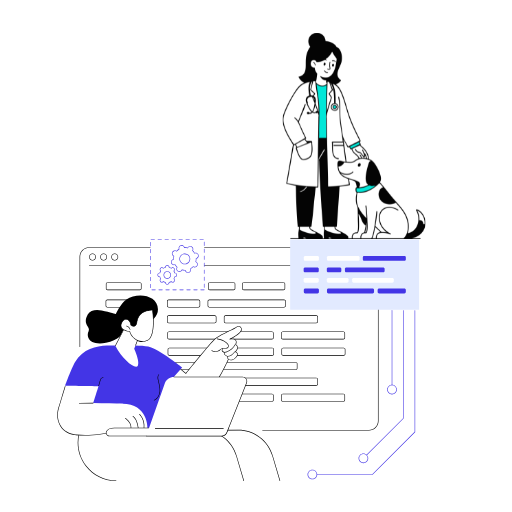
When Developers See Opportunity, Not Threat
Let’s be honest — most developers aren’t losing sleep over AI taking their jobs. We’re too busy figuring out how to *use* AI to become better, faster, and more efficient. Every new model release feels less like a warning and more like a shiny new tool in our digital toolbox.
Sure, there’s a little voice in the back of our minds whispering about a future where everything is automated — but come on, if we ever reach that point, job titles won’t matter anyway. The foundations of society as we know it would be completely reprogrammed. 😄
Meanwhile, in the Doctor’s Office…
On the flip side, many doctors I’ve spoken with still see AI as a distant concept — something they can safely ignore while relying on their years of training and professional safety nets. But here’s the irony: medicine is one of the most *AI-ready* professions out there.
Doctors listen to complaints, interpret subjective and objective data, and make decisions based on patterns and reasoning — all things AI excels at (and does without needing coffee breaks or sleep). The difference is that developers *welcome* that assistance, while doctors often *doubt* it.
The Legal Roadblocks to AI Adoption
One big reason AI has been slower to penetrate healthcare compared to software development comes down to *liability and regulation*. When a piece of code crashes, developers fix it and push a patch. When an AI-assisted diagnosis goes wrong, the stakes are human/pet lives — and lawyers get involved.
Unlike software, where innovation moves fast and mistakes are part of the process, medicine operates under strict legal and ethical frameworks. Every AI recommendation must be validated, traceable, and defensible. Until regulations evolve to clearly define accountability between human and machine, AI in healthcare will continue to move cautiously — even if the technology is ready to sprint.
The Coming Convergence
Whether it’s debugging a software bug or diagnosing a patient, both professions revolve around processing data, identifying patterns, and making logical conclusions. AI won’t just transform how we work — it’ll redefine *why* we work.
The real winners won’t be those who resist automation, but those who learn to *collaborate* with it. In the end, it’s not about humans versus machines — it’s about how humans and machines can think together to create something greater than either could alone.
So… Should We Worry?
Maybe. But let’s be honest — if full automation ever truly arrives, we’ll have bigger problems than job titles. For now, the best move is to ride the wave, keep learning, and find humor in the fact that one day, your AI assistant might write your resignation letter for you. 😉
You Might Also Like
The Real Challenges of Veterinary Dental Charting — and How Scriptover Solves Them
Veterinary dental charting is complex, detailed, and time-sensitive. Learn why it’s so difficult — and how Scriptover’s AI-powered workflow now streamlines the process.
Why AI Is Faster Than Humans: From Data Access to Decision-Making
Discover how AI outpaces human capability in accessing, analyzing, and connecting data — transforming how decisions are made and new skills are learned.

Why AI Isn’t Replacing Vets — It’s Making Them Superhuman
Worried that AI will replace veterinarians? Don’t be. It’s here to make your clinical life easier, faster, and a little more superhuman — especially if you’re a new grad still learning how to juggle chaos and compassion.