The Art of Talking to Clients (While AI Handles the Notes)
That Awkward Pause While You Type
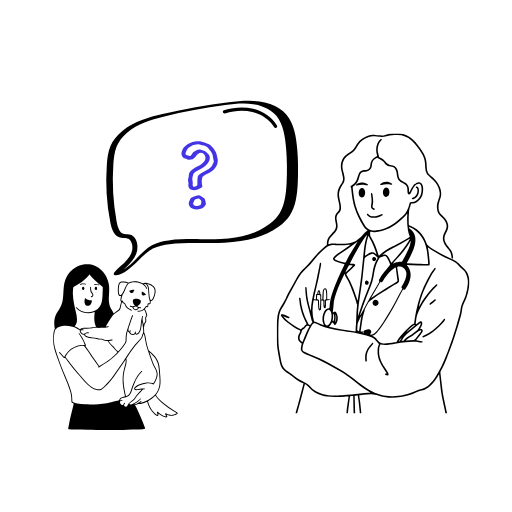
We’ve all been there — mid-conversation with a client, hands hovering over the keyboard, eyes flicking between the screen and a very emotional pet parent. You’re trying to type, think, and empathize all at once. It’s like playing piano while juggling syringes.
Client communication is one of the most underestimated skills in veterinary medicine. It’s not just about what you say — it’s about how present you are when you say it. And yet, every vet knows the constant tug-of-war between connection and documentation.
Why Good Communication Is Harder Than It Looks
In vet school, you learned anatomy, pharmacology, and maybe a sprinkle of client communication theory. What no one prepared you for was explaining chronic kidney disease to a teary-eyed owner while trying to remember the last creatinine trend — and still document it accurately.
You want to give clients your full attention, but the clock’s ticking, the next appointment is waiting, and your brain’s already drafting a SOAP note in the background. This split focus isn’t just tiring — it erodes empathy over time.
Let AI Take the Notes While You Take Care of the Human
That’s where AI quietly steps in. Tools like Scriptover use speech recognition and natural language processing to listen during the consult, organize information, and prepare structured clinical notes — automatically.
You stay focused on the client: reading body language, clarifying questions, comforting them when they’re overwhelmed. Meanwhile, your AI assistant is doing the digital heavy lifting — capturing details, tagging findings, and structuring the SOAP so you don’t have to.
Less Typing, More Listening
When you’re not typing every other sentence, you start listening differently. You pick up on tone, pauses, and subtle clues that reveal how an owner really feels. Those moments often matter more than any diagnostic result.
AI doesn’t just save time — it gives you mental space to be fully present. You walk out of the room with both a complete record *and* a stronger client relationship. No more apologizing for 'just one more second while I type that down.'
Building Trust Through Presence
Trust isn’t built on medical jargon — it’s built on presence. Clients remember when their vet made eye contact, not when they typed faster. By letting AI handle the structure and storage, you get to focus on connection and clarity.
When clients feel heard, they follow through better, misunderstand less, and trust your recommendations more. It’s good medicine — not just for patients, but for relationships.
From Data Entry to Dialogue
The modern exam room is full of distractions: software screens, lab integrations, endless alerts. AI turns that noise into signal by transforming the record-keeping process from something reactive to something seamless.
Instead of thinking, 'I need to document this later,' you can think, 'How do I make sure the client really understands this now?' That’s the shift AI enables — from multitasking to meaningful conversation.
A Small Change That Changes Everything
You didn’t become a veterinarian to be a transcriptionist. You became one to heal animals, guide owners, and communicate complex care with empathy and clarity. AI doesn’t take that away — it protects it.
When the notes write themselves, you finally get to do the part of the job that can’t be automated — being human. And that, ironically, might be the smartest technology of all.
You Might Also Like
SOAP Notes Without the Stress: How AI Saves Hours of Charting
From NAVLE-style case thinking to real-world documentation, learn how AI tools help veterinarians write SOAP notes faster, stay accurate, and keep their sanity intact.
Why Client Communication Is the Most Critical Part of Veterinary Care
Clear client communication in veterinary medicine reduces liability, builds trust, and improves patient outcomes. Learn why transparency and consistency are key to sustainable practice success.